
A view from Hong Kong
Published Apr 2026 Download this Note
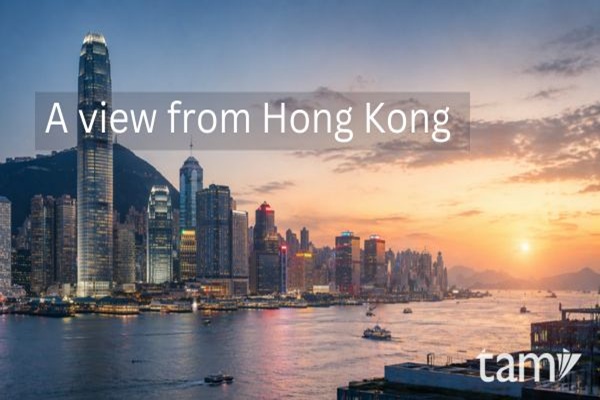
I have just returned from Hong Kong, where the pace of activity and underlying confidence remain striking. Despite years of political and economic headlines, the city remains one of the world’s most dynamic financial centres and a critical gateway between East and West.
Hong Kong continues to provide a useful lens into China and the broader region. While headlines often focus on macro challenges, the picture on the ground feels more varied. Equity market performance has been mixed, with periods of recovery supported by policy measures and shifts in investor positioning.
China’s broader economy continues to face real challenges, including domestic overcapacity in sectors such as electric vehicles and industrial manufacturing. In the EV sector, competition is intense. Multiple domestic manufacturers are competing aggressively, driving innovation but also compressing margins. It is a useful reminder that strong growth does not always translate into strong returns.
The region also remains sensitive to external pressures, including energy price volatility linked to developments in the Middle East, as well as ongoing trade tensions with the US.
More broadly, this reinforces an important point. Asia remains a region of significant opportunity, but broad optimism alone is insufficient. The real value increasingly lies in selectivity, focusing on quality businesses, structural growth opportunities and disciplined portfolio construction.
It also highlighted a practical challenge we see regularly. Many advisers working with cross-border clients face practical difficulties when dealing with pension trustees, life companies and regulated structures, particularly where advice is being delivered from outside those jurisdictions.
In these situations, the issue is often less about the investment itself and more about how it is implemented. Aligning regulatory requirements, trustee expectations and client objectives can create unnecessary friction.
Bridging the gap
Cross-border investing requires more than just access to markets.
It requires practical solutions that work across jurisdictions, aligning investment strategy with regulatory and operational realities.
This is where having a partner that understands both the investment landscape and the regulatory environment can make a meaningful difference, helping to keep solutions practical and workable.
From an investment perspective, our portfolios already reflect this broader global view. Exposure to Asia forms part of a diversified allocation, balanced within the wider portfolio rather than representing a concentrated view.
Hong Kong remains open for business, but the investment road ahead is becoming more nuanced.
As ever, our objective is not to chase regional narratives, but to ensure portfolios remain globally diversified, selective and capable of navigating a range of outcomes.
If you are working with clients across jurisdictions and facing practical challenges in implementation, we would be very happy to discuss how we can support.
Quarterly Investment Perspective – Q2 2026
The Strait and narrow